Advertorial
Brain Fog & Memory — Special Report for Adults 50+
Remember the Names, Conversations, and Moments You Don't Want to Lose
The unusual story of a 106-year-old neuroscientist, a little-known “memory protein,” and a simple 7-second ritual now getting attention from adults concerned about brain fog.

Meet Brenda Milner. At 106 years old, the pioneering neuroscientist has received worldwide recognition for her work involving the brain and memory. Even at an age few people ever reach, her remarkable mental sharpness continues to attract attention.
And that raises an intriguing question for anyone who has ever walked into a room and forgotten why they were there, struggled to grab a familiar name, or lost their train of thought halfway through a conversation:
Why do some people remain remarkably sharp with age while others begin noticing more “brain fog” after 50?
When Everyday Forgetfulness Starts Feeling Personal
Forgetting occasionally is something everyone experiences. But there is a point when those little moments can begin to feel different.
You know the person's name. You can almost hear it in your head—but it won't come out.
You put something down and minutes later can't remember where. You reread the same sentence because it didn't seem to stick. Someone tells you something important…and later you struggle to recall the details.
Sometimes it's easy to laugh these moments off. But when they start happening more often, another thought can creep in: "Why doesn't my mind feel as sharp as it used to?"

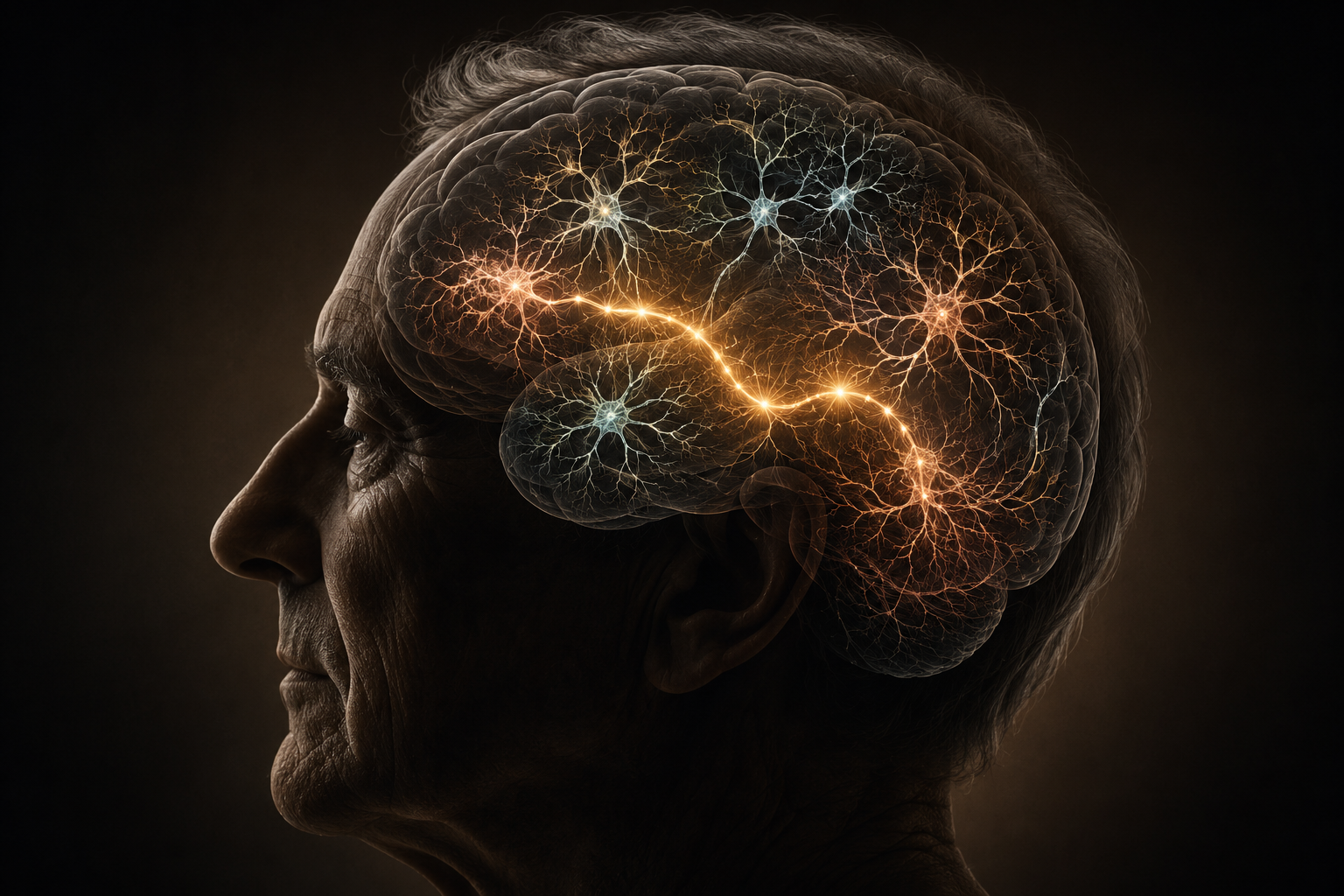
That question is what makes an overlooked area of memory research so interesting. Researchers have spent decades studying what happens inside the brain when a memory is formed—and what allows you to retrieve it exactly when you need it.
And one part of that research centers on something the BrainSong presentation calls your “memory protein.”
The Memory Protein Connection
Before you can remember someone's name, a conversation or where you put your keys, your brain first has to successfully retrieve that information.
The presentation compares memories to information stored inside billions of tiny storage units in your brain. When you need one of those memories, your brain has to send the right signal to retrieve it.
When that retrieval process works smoothly, the name or detail seems to appear almost instantly. When the process is disrupted, you experience the familiar feeling of knowing the information is there—but not being able to reach it.
Scientists have also studied a naturally occurring protein associated with the brain's ability to adapt, learn and form connections. It's the protein at the center of the unusual presentation you're about to see.
And this is where the story takes an unexpected turn.
What Could Be Interfering With Recall?
According to the presentation, researchers began looking at another question: if the information is still stored in your brain, what could interfere with your ability to retrieve it quickly and clearly?
That investigation led them into an unexpected area involving environmental exposures, the brain's natural defenses and what Dr. Johnson describes as “memory robbers.”
The idea sounds unusual at first. But it becomes important because the brain has to maintain an extraordinarily complex network of cells and signals every second of your life.
Rather than giving you the entire explanation here, the presentation walks through what the researchers believe may interfere with the retrieval process—and why the issue may become more relevant with age.
That's also where the story of the “memory protein” becomes much more interesting.
Researchers Looked at Several Possible Approaches
When researchers began exploring ways of supporting this process, the obvious possibilities weren't especially appealing. Some required major lifestyle changes. Others involved expensive equipment or approaches that weren't practical for everyday use.
So the research team set three requirements for what they were looking for:
- It had to be simple.
- It had to be easy.
- And it had to be something a person could do at home.
What they eventually found surprised even the researchers involved—and it leads directly back to the same memory protein that had been attracting scientific interest for years.
One discovery involving unusually sharp older adults gave researchers an important clue—and ultimately pointed them toward the unusual approach explained in the presentation.
That leaves one obvious question:
If this research has been developing for years, why have so few adults over 50 heard the full story?
Because This Isn't Really About Remembering Where You Put Your Keys
It's about remembering the name of the person standing in front of you.
Following a conversation without worrying that you've missed something.
Reading a book and remembering what you just read. Walking into a room and knowing exactly why you're there.
It's about feeling confident that your mind is still yours.
If you've noticed more brain fog, slower recall, or those frustrating moments when a familiar word simply won't come, the presentation below explains the unusual research story from the beginning.
Presented in the BrainSong video by Dr. Brian Johnson
© 2026 AI Software and Training | All Rights Reserved Privacy Policy | Terms Of Service | Disclaimer
Health disclaimer: Occasional forgetfulness and mental fog can have many possible causes. This page is provided for general informational and advertising purposes and is not medical advice. Speak with a qualified healthcare professional if memory changes are new, severe, persistent, worsening, or interfering with everyday activities.
The statements described on this page reflect theories and claims presented in the accompanying promotional presentation. They have not been independently verified by this website. The product and presentation are not intended to diagnose, treat, cure, or prevent any disease or medical condition. Individual experiences and results may vary.
Affiliate disclosure: This is a sponsored promotional page. We may receive compensation if you visit the presentation and make a purchase through a link on this page.